







7 min read · November 26, 2026
Who Is Pace Morby? SubTo, Creative Finance and What Operators Can Learn
 By Esteban AndradeFounder of Hesel Media

Ahrefs estimates people in the US search for Pace Morby about 3,200 times a month, more than most real estate brands. Most of those people want to know one thing: is creative finance real, or just good TV? Here is who he is, what he teaches, and the part most profiles skip: what an operator who buys from motivated sellers can actually use on Monday.
Key points
- Pace Morby is a real estate investor and educator best known for subject-to and seller-finance deals, the founder of the SubTo community, and co-host of A&E's Triple Digit Flip.
- His core idea: many sellers you cannot help with a cash offer can still sell to you if you take over their payments or let them carry the note.
- His book, Wealth Without Cash, came out with BiggerPockets in 2023. He also runs the Get Creative podcast and a YouTube channel.
- For an operator, the lesson is not "stop paying cash." It is that creative terms turn some of the inquiries you already paid for into contracts.
- Creative deals carry real legal risk. Use a local attorney and a title company that knows the structure.
Who is Pace Morby?
Pace Morby is an Arizona real estate investor and educator who built his name on creative finance, mainly subject-to and seller-finance deals. A&E's cast page calls him the go-to "sub to guy" for bringing these strategies to mainstream investing.
He co-hosts Triple Digit Flip on A&E with Jamil Damji, his longtime friend and fellow coach. The show follows their fix-and-flip deals. Off camera, he hosts the Get Creative podcast and The Pace Morby Show, and he writes about creative finance in his book.
Podcast bios credit him with acquiring more than $500 million in assets through creative financing. That figure is self-reported in show notes, so treat it as his claim, not an audited number. Pace is also a member of Coaching Inc., Tom Krol's private mastermind for coaches and course creators.
What is SubTo?
SubTo is Pace Morby's paid education community for creative finance. Members learn subject-to acquisitions, seller financing, wholesaling, novations and how to structure deals with partners, through live calls, recorded training and a large member network.
Independent reviewers date the program to 2019 and describe weekly calls led by Pace plus tiers with more coaching. Pricing is not published on a simple page, and third-party reviews put full mentorship in the thousands of dollars, so ask for the exact terms in writing before you buy.
Reviews are mixed, as they are for most coaching programs. BiggerPockets threads on SubTo include strong praise from members and pushback from skeptics, including a reply pointing out that many glowing posts came from brand new accounts. Read both sides and talk to members who have closed deals, not just joined.
What does subject-to mean, in plain words?
A subject-to deal means you buy the house and take over the seller's existing mortgage payments, while the loan stays in the seller's name. The seller gets out from under a payment they cannot keep up with. You get the house without a new bank loan, often at the seller's old, lower interest rate.
Seller financing is the cousin: the seller owns the house free and clear (or nearly) and lets you pay them over time instead of all at once. Both turn "I can't take your cash offer" into "let's talk terms." We break down both in our subject-to guide for investors and our seller financing guide.
Why creative finance matters to an operator buying from motivated sellers
Creative finance matters because it changes which seller conversations can become contracts. A cash offer only works when the seller has enough equity to walk away with something. Plenty of motivated sellers do not.
Think about the inquiries a typical campaign brings in. Some sellers owe close to what the house is worth. Some are a few payments behind. Some own the house free and clear and care more about monthly income than a lump sum. A cash-only buyer says "no deal" to most of them. A buyer who knows creative terms has another offer to make.
That is the operator lesson in Pace's work: you already paid to get that seller on the phone. Having a second and third way to say yes raises your appointment-to-contract rate on the same ad spend.
| Seller situation | Cash offer | Creative option to test |
|---|---|---|
| Owes about what the house is worth, payments current | Usually no deal | Subject-to: take over payments |
| Behind on payments, wants out fast | Rarely works | Subject-to with arrears caught up at closing |
| Owns free and clear, wants monthly income | Low offer, slow yes | Seller financing over a set term |
| Lots of equity, wants full retail price | Too low for the seller | Novation: list it and split the spread |
We cover the last row in our novation agreement guide.
What operators can borrow from Pace Morby's playbook
You do not need to join any program to apply the core moves. Here are the ones we see work inside motivated-seller campaigns.
- Ask the mortgage questions on the first call. Balance, rate, monthly payment and whether they are behind. Add them to your qualification questions so your setter collects them every time.
- Tag low-equity inquiries instead of closing them out. Make a CRM stage for "creative candidate" so those sellers get a second look from someone who can structure terms.
- Lead with the seller's problem, not the structure. Sellers do not care about the words "subject-to." They care about stopping the payment, protecting their credit and moving on.
- Follow up longer. Creative deals often take more than one conversation and a family talk. A seller who said no in week one can say yes in week six.
- Get the paperwork right. Use a local attorney and a title company that has closed creative deals in your state.
Where creative finance does not fit
Creative finance is not a fit for every operator or every seller. It adds legal and servicing work, and it carries risk you do not have on a simple cash close.
- The due-on-sale clause. Most mortgages let the lender call the loan due when the title transfers. Lenders rarely do, but your exit plan must cover it.
- State rules. Some states put strict rules on buying from homeowners in foreclosure. Ask a local attorney before you market terms to distressed sellers.
- Servicing. Someone has to make the old payment on time every month. Many operators use a third-party servicer so the seller can see it.
- Team skill. If your acquisitions rep has never explained terms, start with a few deals and a mentor in the room.
Turn more of your seller inquiries into contracts
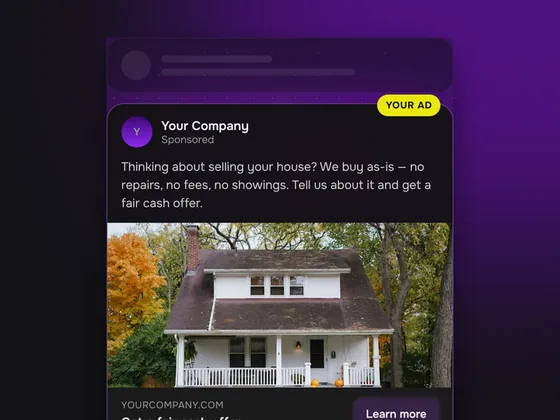
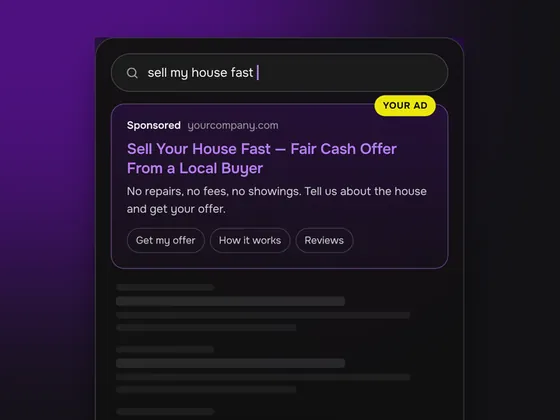
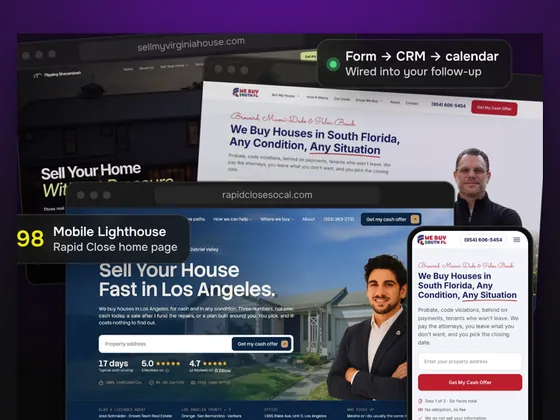
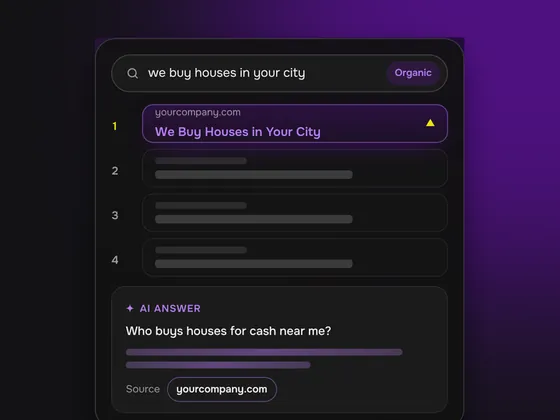
Creative terms only help if a seller is on the phone. Hesel runs motivated seller campaigns on Facebook, Google and YouTube, then calls and qualifies every inquiry fast, so your team gets conversations with sellers who need a way out.
Want to see how that fits your market? Book a strategy call and we will check whether your market is open first.
Frequently asked questions
Who is Pace Morby?
Pace Morby is an Arizona real estate investor and educator known for subject-to and seller-finance deals. He founded the SubTo community, co-hosts A&E's Triple Digit Flip with Jamil Damji, and wrote Wealth Without Cash with BiggerPockets.
What is Pace Morby's SubTo?
SubTo is Pace Morby's paid creative finance community. It teaches subject-to, seller financing, wholesaling and novations through live calls, recorded training and a member network. Ask for the exact price and terms in writing before you join.
Is creative finance legal?
Subject-to and seller-finance deals are legal in general, but the rules differ by state, and buying from homeowners in foreclosure can carry extra rules. The loan's due-on-sale clause is also a risk. Use a local real estate attorney for every deal.
What is Pace Morby's book?
Pace Morby's book is Wealth Without Cash, published with BiggerPockets in 2023. It explains how he buys property with creative financing, mainly subject-to and seller financing, instead of bank loans or large cash down payments.
Who is on Triple Digit Flip with Pace Morby?
Pace Morby co-hosts Triple Digit Flip on A&E with Jamil Damji, his longtime friend and fellow real estate coach. The show follows the pair as they find, fix and sell houses.
Can a wholesaler use creative finance?
Yes. A wholesaler can add creative offers for low-equity sellers and assign or partner on those deals with buyers who hold terms. The key steps are asking mortgage questions on the first call and closing with an attorney who knows the structure.
Sources
- A&E: Pace Morby, Triple Digit Flip cast page
- The Investor's Podcast REI188: Wealth Without Cash with Pace Morby (June 2023)
- Entrepreneurs on Fire: Pace Morby episode and bio
- Get Creative with Pace Morby podcast on Apple Podcasts
- Real Estate Bees: SubTo mentorship course review
- Ark7: Pace Morby SubTo review and what the program covers
- BiggerPockets forum: Pace Morby SubTo mentorship thread
- Coaching Inc with Tom Krol podcast