


Facebook ads can put a motivated seller in your inbox before lunch. The hard part starts after that. The inquiry cools fast, the seller has been burned before, and nobody on your team has seen the house.
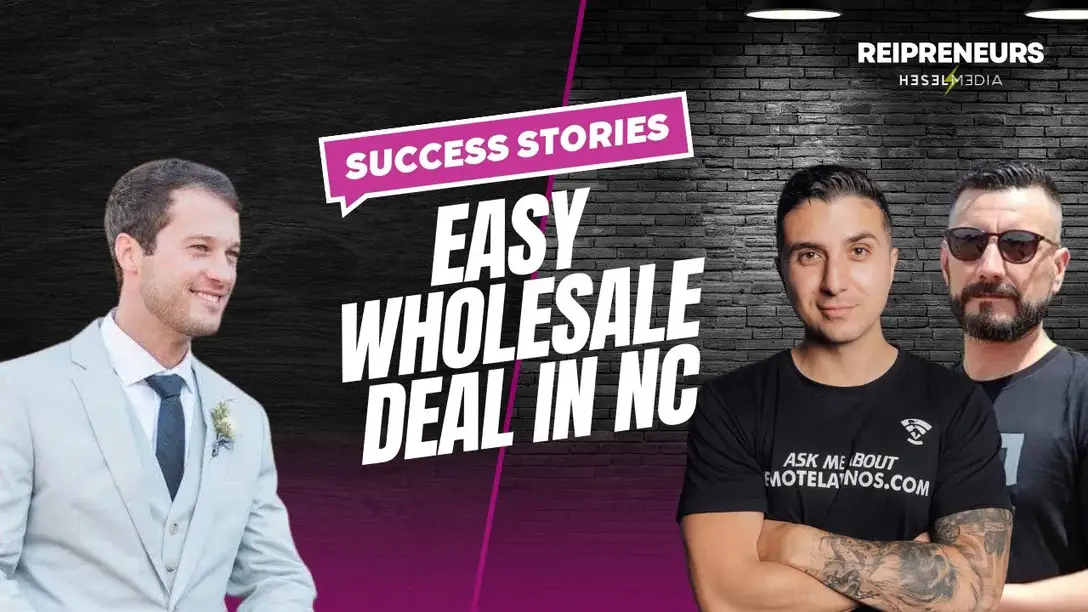
That was Michael's spot. He worked a seller inquiry from a Hesel Media Facebook ads campaign, never met the sellers in person, and still closed his first wholesale deal for a $5K wholesale fee in three weeks.
Here is what he did, what got in the way, and what you can copy for your own pipeline.
Key points
- Facebook ads real estate leads are seller inquiries that come from a Facebook ad campaign. They are worth whatever your team does with them in the first few minutes.
- Michael called the seller within minutes of the inquiry, while intent was high, and earned a $5K wholesale fee on a deal that closed in three weeks.
- The sellers had faced failed sales before, so clear steps, steady updates and empathy turned their doubt into trust.
- He ran the whole deal remotely, with digital contracts and organized follow-up, and never had to visit the property.
- He pitched an overgrown, neglected house as a project where investors could add value, turning its flaws into selling points.
Overcoming Challenges to Close a Facebook Ads Wholesale Deal
Michael closed this deal by solving three problems: a rough property, skeptical sellers he never met, and a family going through a hard time. None of them was small, and he handled each with persistence and the right tools.
An Overgrown Property Required Strategic Positioning
The property needed a story buyers would pay for. It was in poor condition, with overgrown landscaping and years of neglect that made it less appealing to buyers. That made the negotiation harder. Michael had to justify his offer while answering the sellers' worries about whether the house could sell at all.
So he reframed the problem. He presented the house's issues as a chance for investors to add value and positioned it as an "ideal project." The flaws that could have killed the deal became selling points.
Building Trust Remotely With Skeptical Sellers
Trust had to be built over the phone, because Michael never met the sellers in person. They had already been through failed attempts to sell the property, so they were slow to trust another wholesaler.
Using Hesel Media's trust-building techniques, Michael focused on transparency and empathy. He addressed their concerns about the process head-on. His professionalism and consistency reassured them, and that led to a signed contract.
Handling Seller Hesitation and Personal Struggles
The sellers needed patience more than pressure. They were dealing with estate-related issues and a recent family tragedy, which made every decision slower and more emotional.
Michael approached each conversation with care, so the sellers felt supported instead of pushed. Frequent follow-ups and clear explanations kept the deal moving while respecting what the family was going through. That steady approach guided them to a successful closing.
How Hesel Media Helped Michael Close the Deal
Michael closed his first wholesale deal because his effort met the right campaign, coaching and tools. Here is how each piece worked.
Speed to Lead Kept the Seller Engaged
Speed to lead got Michael in the door. Hesel Media's targeted Facebook ads campaign delivered a highly motivated seller inquiry straight to his inbox.
Michael contacted the seller within minutes. He used that first call to build rapport and show he was reliable. The quick response set him apart from competitors and told the seller he was serious about their needs.
Hesel's focus on speed to lead meant Michael reached the seller while their intent was high. He started the negotiation on solid footing and kept momentum through the whole process. Our guide to speed to lead for real estate investors covers how to win that first call.
Trust-Building Techniques Turned Doubt Into Confidence
Skepticism was the main barrier, because the seller had already watched earlier attempts to sell fall apart. Hesel Media's coaching gave Michael the skills to handle it with empathy and professionalism. He focused on three things:
- Clear explanations: He broke down each step of the wholesale process and showed the seller how it would work in their favor.
- Reassurance of reliability: He made his commitment to deliver on his promises clear, then kept it.
- Empathetic communication: He met the seller's personal struggles with understanding and support, which helped them feel confident moving forward.
Because he kept answering concerns and sending updates, doubt turned into trust. That set up a smooth transaction. For more on this skill, read our guide to building rapport with sellers.

Remote Workflows Kept the Deal on Track
Hesel Media's tools let Michael run the entire deal remotely without losing speed. Working from a distance created real logistical problems, so he leaned on three things:
- Digital contract tools to speed up signing and cut delays.
- Organized follow-up workflows to keep the seller informed and supported at every stage.
- Step-by-step guidance to work through the transaction without ever visiting the property.
These workflows did more than save time. They showed professionalism, which reinforced the seller's trust. Michael managed every part of the deal remotely, and the transaction stayed on schedule and closed.
E-signatures carry legal weight. Under the federal ESIGN Act of 2000, a contract can't be denied legal effect just because it is in electronic form. Check your state's rules and your title company's requirements before you rely on them. This is not legal advice.
The Results: A $5K Wholesale Fee in Three Weeks
Michael's first wholesale deal closed in three weeks and earned a $5K wholesale fee, despite every challenge above. Here is the scorecard:
- Deal closed in 3 weeks: Michael guided the sellers to an agreement efficiently and professionally.
- $5K wholesale fee earned: The fee was modest, but it covered his marketing expenses and marked a key milestone for his business.
- Future referral potential: The sellers' good experience opened the door to future deals and strengthened Michael's reputation.
Michael summed up the deal this way:
"This deal showed me that with the right leads and tools, even remote challenges can be overcome. It's just the beginning."
That was one of our best results, not a typical one. Outcomes depend on market, budget, offer and follow-up speed.
How to Get Real Estate Leads on Facebook Without Wasting the Click
To get real estate leads on Facebook that turn into contracts, run seller-facing ads inside Meta's housing rules, call fast, follow up on a plan and judge each campaign by cost per contract. The ad is the easy part. The process behind it decides the result.
The audience is there. Pew Research Center's 2025 survey found that 71% of U.S. adults use Facebook. Your sellers are in that crowd. The question is whether your campaign can reach them and your team can close them.
Four habits separate campaigns that produce contracts from campaigns that produce noise:
- Follow Meta's housing rules. Meta treats housing ads as a Special Ad Category with limited targeting options. Build your offer and creative to work with broad targeting, and check Meta's current rules before you launch.
- Call fast. Michael called within minutes. A slow callback lets the moment pass, and the seller's attention moves on.
- Follow up on a plan. Not every seller answers the first call. Hesel's coached 3-2-2 cadence is 7 call attempts over the first 3 days, and sellers who go silent for 7 to 10 days move into a six-month nurture track. Our real estate follow-up guide lays out the cadence.
- Measure cost per contract, not cost per click. A cheap inquiry that never answers is expensive. Track contacts made, appointments, offers and contracts so you know what each campaign earned.
For the campaign side, our strategy guide to Facebook ads for motivated sellers and our breakdown of Facebook ads for real estate investors go deeper on creative, targeting and budget.
What Real Estate Investors Can Learn From Michael's Deal
Michael's deal shows that a Facebook campaign, a fast call and a patient seller conversation can close a wholesale deal without a single site visit. Three lessons stand out.
1. Motivated Sellers Make Results Come Faster
Hesel Media's targeted Facebook ads campaign connected Michael with a seller ready to act, so he skipped the time lost on cold prospects.
Takeaway: Put your budget into motivated seller campaigns that bring sellers to you, and have someone ready to call the moment they respond.
2. Trust Is How Remote Deals Close
Remote transactions run on trust. Michael's transparency and empathy reassured skeptical sellers and kept the deal on track.
Takeaway: Sellers need confidence in your ability to deliver. Clear communication and professionalism make the difference.
3. Remote Tools Simplify Complex Transactions
Michael worked entirely remotely and used digital workflows for communication and contracts. That got him past the logistics.
Takeaway: Clean processes are what make virtual deals possible. Without them, delays pile up. See how other operators run virtual wholesaling real estate businesses.
Conclusion: The Ad Starts the Deal, the Call Closes It
Facebook ads real estate leads only pay off when someone treats them as a live opportunity. Michael did. He called in minutes, explained each step, respected a grieving family's pace and ran the deal from a distance.
The fee was $5K. The lesson is bigger: the campaign gets the seller to raise a hand, and your process decides whether that hand becomes a contract. For a bigger Facebook-sourced deal, see how Kyle and Cam closed a $15,000 wholesale deal using Facebook ads.
Turn More Facebook Inquiries Into Contracts
If your Facebook campaigns bring in sellers but your team calls late or stops after two attempts, you are paying for inquiries nobody works.
Hesel's conversion and appointment setting service pairs an ISA team with a client success manager who coaches your team's cadence. Book a strategy call and we will look at where your Facebook inquiries stall and what to fix first.
Frequently Asked Questions
What are Facebook ads real estate leads?
Facebook ads real estate leads are inquiries from property owners who respond to an ad on Facebook. For investors, they are usually sellers asking about an offer on their house. Their value depends on how fast your team calls, how well it builds trust and how steadily it follows up.
How do you get real estate leads on Facebook?
You get real estate leads on Facebook by running seller-facing ads inside Meta's housing ad rules, routing responses straight to your team and calling within minutes. Then follow up on a set cadence. Track each inquiry to an appointment, offer and contract so you know which campaigns earn their budget.
Do Facebook ads work for real estate investors?
Facebook ads can work for real estate investors when the campaign reaches motivated sellers and the team responds fast. Michael's first wholesale deal started with a Hesel Media Facebook ads campaign and earned a $5K wholesale fee. Results depend on market, budget, offer and follow-up speed.
How fast should you call a Facebook seller inquiry?
You should call a Facebook seller inquiry within minutes if you can. Michael contacted his seller within minutes and reached them while intent was high. If the seller does not answer, keep calling on a planned cadence instead of waiting for a callback.
How do you build trust with skeptical sellers in a wholesale deal?
You build trust with skeptical sellers in a wholesale deal by explaining each step, keeping your promises and sending regular updates. Michael's sellers had been through failed sales before. Clear explanations, empathy and consistency turned their doubt into a signed contract.
Can you close a wholesale deal remotely?
You can close a wholesale deal remotely with digital contract tools, organized follow-up and clear step-by-step guidance. Michael never met his sellers or visited the property, and the deal still closed in three weeks. Check your state's rules and your title company's requirements for electronic signatures.
Do Facebook housing ads have targeting limits?
Facebook housing ads do have targeting limits. Meta treats housing ads as a Special Ad Category, which restricts the targeting options advertisers can use. Check Meta's current Special Ad Category rules before you launch a seller campaign, because the details change.
Sources
- Pew Research Center: Americans' Social Media Use 2025 (71% of U.S. adults use Facebook)
- Meta for Developers: Special Ad Category documentation (Housing)
- Electronic Signatures in Global and National Commerce Act, 15 U.S.C. 7001 (Cornell Legal Information Institute)
- Hesel Media: Real estate follow-up cadence and nurture track
- Hesel Media: Speed to lead for real estate investors


